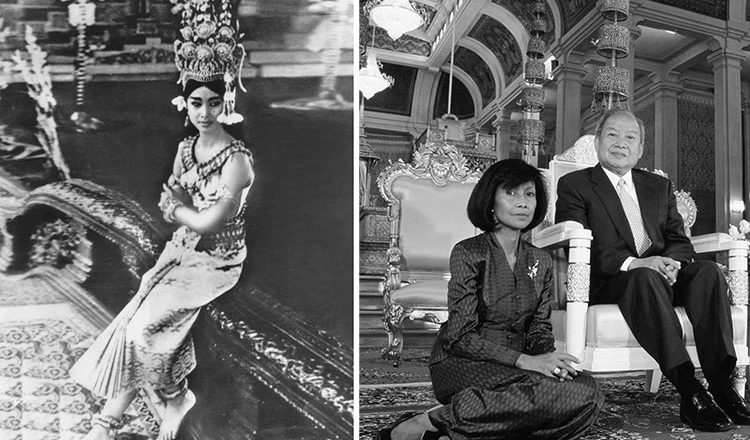
Princess Norodom Buppha Devi: Renowned Royal Ballet Dancer

nightglow.info – Princess Norodom Buppha Devi (1943–2019) was a celebrated Cambodian royal, best known for her exceptional contributions to the preservation and promotion of Cambodian classical dance. The daughter of King Norodom Sihanouk, Buppha Devi was not only a prominent figure in the royal family but also a highly respected artist who played a key role in the cultural life of Cambodia. As one of the most renowned classical dancers of her time, she became a symbol of Cambodia’s rich cultural heritage, embodying the elegance and grace of the traditional dance that is integral to the country’s identity. Her legacy as a cultural ambassador continues to inspire future generations of Cambodians.

Early Life and Royal Heritage:

Princess Norodom Buppha Devi was born in 1943, the daughter of King Norodom Sihanouk and Queen Sisowath Kossamak. As a member of Cambodia’s royal family, she was exposed to the country’s rich cultural traditions from a young age. Raised in the royal palace, Buppha Devi’s early life was marked by privilege and an education that emphasized both traditional Cambodian arts and the responsibilities of royal duty.

Growing up in the heart of Cambodia’s political and cultural life, Buppha Devi quickly developed a passion for classical Cambodian dance. The royal family played a central role in the preservation of Cambodian culture, and Buppha Devi’s early exposure to the arts influenced her lifelong commitment to the country’s cultural traditions.

Training and Rise to Prominence:

Buppha Devi’s journey into the world of classical dance began with formal training in the traditional Cambodian dance forms, which are known for their grace, intricate hand gestures, and fluid movements. Cambodian classical dance, also known as the “royal ballet,” has its roots in centuries-old court traditions and is characterized by its highly stylized performances that tell stories from Khmer mythology and history.

Under the guidance of Cambodia’s master teachers and choreographers, Princess Buppha Devi honed her skills and became one of the foremost practitioners of the royal ballet. Her dedication to the craft and her natural grace made her a star within the Cambodian arts community. Her performances were widely acclaimed for their beauty, precision, and deep emotional expressiveness.

In the 1960s, Buppha Devi gained widespread recognition for her role in the revival of Cambodia’s classical dance traditions, particularly during the cultural renaissance led by her father, King Sihanouk. Under his patronage, the Cambodian royal ballet flourished, and Buppha Devi became its shining star, performing at both national and international events.

Cultural Ambassador and International Recognition:

Princess Buppha Devi’s role as a cultural ambassador for Cambodia extended beyond the borders of the kingdom. Her international performances, which included tours to countries like France, the United States, and Japan, helped introduce Cambodian classical dance to a global audience. Through her artistry, she played a pivotal role in elevating the status of Cambodian dance on the world stage.

Her performances were not only celebrated for their beauty but also for their cultural significance. As a symbol of Cambodia’s rich history and artistic tradition, Buppha Devi used her platform to raise awareness about the cultural heritage of Cambodia, which was threatened by political turmoil and the Khmer Rouge regime in the 1970s. Through her efforts, she ensured that Cambodian dance would remain an enduring symbol of national pride and cultural identity.

Challenges During the Khmer Rouge Era:

Buppha Devi’s life, like that of many Cambodians, was dramatically affected by the rise of the Khmer Rouge regime in the mid-1970s. During this period, Cambodia’s traditional culture, including classical dance, was targeted for destruction as the regime sought to create a new, agrarian-based society. The Cambodian royal ballet was banned, and many of the country’s cultural institutions were either destroyed or suppressed.

Princess Buppha Devi, along with many of her fellow dancers and artists, faced immense hardships during this time. The Khmer Rouge’s brutal policies led to the near eradication of Cambodia’s cultural heritage, and many of Buppha Devi’s colleagues were executed or forced into hiding. Fortunately, Buppha Devi survived the regime, although she spent years in exile, far removed from the dance community that had been such an important part of her life.

Post-Khmer Rouge Revival and Legacy:

Following the fall of the Khmer Rouge in 1979, Buppha Devi became instrumental in the revival of Cambodia’s classical dance tradition. With the country in ruins and its cultural heritage severely damaged, Buppha Devi worked tirelessly to re-establish the royal ballet and train a new generation of dancers. She returned to Cambodia and began teaching at the Royal University of Fine Arts in Phnom Penh, where she became a mentor to young dancers, ensuring that the next generation would inherit the rich traditions of classical Cambodian dance.

Her efforts were part of a larger national movement to restore Cambodia’s cultural identity and pride. Princess Buppha Devi’s commitment to preserving the royal ballet was central to this cultural revival, as she sought to pass on the techniques, choreography, and stories that had been nearly lost during the Khmer Rouge era.

In recognition of her tireless work in preserving Cambodian culture, Buppha Devi was awarded numerous accolades and honors both in Cambodia and abroad. She became an international symbol of resilience, artistry, and cultural preservation, and her work continues to inspire those involved in Cambodia’s artistic and cultural resurgence.

Conclusion:

Princess Norodom Buppha Devi’s life and legacy are a testament to the power of art and culture in preserving national identity and resilience in the face of adversity. As one of Cambodia’s most celebrated classical dancers and a key figure in the preservation of the royal ballet, she helped ensure that Cambodia’s rich cultural traditions would survive even in the darkest times. Through her dedication to her craft and her unwavering commitment to the cultural revival of her country, Princess Buppha Devi remains a beloved and iconic figure in the history of Cambodia.

Her contributions to Cambodian dance have left an indelible mark on the nation’s cultural heritage. Even as Cambodia continues to recover from the scars of its tragic past, Buppha Devi’s legacy as an artist, cultural ambassador, and symbol of resilience will continue to inspire generations to come.
Princess Anne, The Princess Royal: A Life of Service, & Dedication

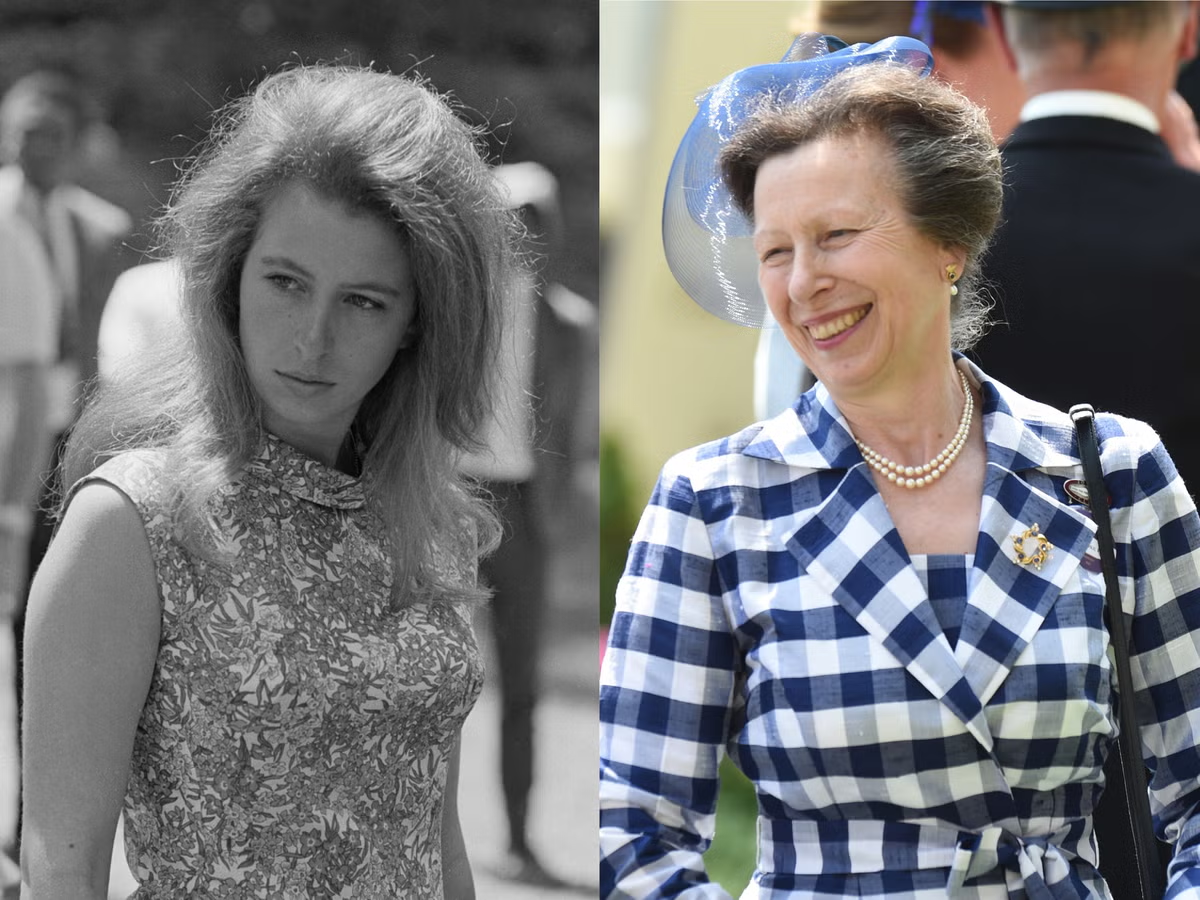
nightglow.info – Princess Anne, The Princess Royal, born Anne Elizabeth Alice Louise on August 15, 1950, is the only daughter of Queen Elizabeth II and Prince Philip, Duke of Edinburgh. Known for her steadfast commitment to public service and her unwavering work ethic, Princess Anne has carved out a remarkable role within the British royal family. With a life dedicated to charitable work, equestrian achievements, and royal duties, she is regarded as one of the hardest-working members of the royal family.

Early Life and Education

Princess Anne was born at Clarence House in London, the second child and only daughter of the future Queen Elizabeth II and Prince Philip. She was baptized in the private chapel at Buckingham Palace and grew up in the royal household with her older brother, Prince Charles, and later her younger brothers, Prince Andrew and Prince Edward.

From an early age, Princess Anne was expected to fulfill the duties of a royal family member. She received her education at home, as was customary for royal children at the time, and later attended the prestigious Benenden School in Kent. Anne was described as an independent and determined child, qualities that would define her later life.

As a member of the royal family, Anne was given a strong sense of duty and responsibility. From an early age, she was involved in various charitable endeavors and royal engagements, laying the foundation for her lifelong commitment to public service.

Career in Equestrian Sports

One of the defining passions of Princess Anne’s life has been her love of equestrian sports, particularly horse riding and eventing. She inherited her passion for horses from her father, Prince Philip, and became one of the most accomplished equestrians in the royal family.

Anne made her first appearance at the Badminton Horse Trials in 1969, and by 1971, she had won the European Eventing Championship, marking the beginning of her successful career in equestrian sports. She competed in numerous prestigious events and represented Great Britain in the 1976 Montreal Olympics, where she became the first royal family member to participate in the Games. Although she did not win a medal, her performance was highly respected and further cemented her place as one of the most dedicated riders in the sport.

Her lifelong love for horses has not only shaped her personal interests but also contributed to her work as a patron of various equestrian organizations. Princess Anne’s involvement in the equestrian community has made her a prominent figure in the sport, and her work in promoting equestrianism continues to this day.

Public Service and Royal Duties

Throughout her life, Princess Anne has been known for her tireless commitment to public service and her hard work in fulfilling royal duties. Unlike some of her contemporaries in the royal family, she has never sought the limelight or personal fame but instead focused on serving her country and the commonwealth through charitable and community-based initiatives.

Princess Anne is one of the busiest working royals and is known for her involvement with over 300 charitable organizations. As the patron of numerous charities, her efforts span a wide range of causes, including children’s welfare, education, health, and the arts. She is also a strong advocate for causes related to animal welfare and the environment.

One of Princess Anne’s most notable roles is her longstanding involvement with Save the Children, a charity that works to improve the lives of children worldwide. She has been the organization’s president since 1970, and her dedication to the cause has made her a respected voice in the field of child advocacy. Her work with Save the Children and other organizations has earned her international recognition and praise for her genuine commitment to making a difference.

In addition to her charity work, Princess Anne has represented the royal family on many state visits abroad and attended numerous ceremonial events. She is a frequent attendee at key state functions and royal ceremonies, from the state opening of Parliament to royal weddings and memorials. Her quiet yet steadfast presence at these events has earned her the admiration of both the public and her fellow royals.

The Princess Royal Title

In 1987, Princess Anne was given the title of The Princess Royal by her mother, Queen Elizabeth II. This title is traditionally given to the eldest daughter of the monarch and is a reflection of the duties and responsibilities expected of the royal family member who holds it. As The Princess Royal, Anne’s role has been largely ceremonial, but it also symbolizes her longstanding contributions to the royal family’s work.

As The Princess Royal, Anne has continued to fulfill her public service duties, both in the United Kingdom and abroad. She has developed a reputation for being no-nonsense, hardworking, and highly efficient—qualities that have earned her the respect of both her family and her many charity partners.

Personal Life and Family

Princess Anne has had a colorful personal life, marked by two marriages and two children. In 1973, she married Captain Mark Phillips, an event that attracted considerable media attention. The couple had two children together, Peter Phillips and Zara Tindall, both of whom have pursued lives outside of the royal spotlight.

In 1992, Princess Anne and Captain Phillips divorced, and in the same year, she married Timothy Laurence, a former naval officer. The couple has remained together since, and Princess Anne continues to support her family while maintaining her public duties.

Though she is a member of the royal family, Princess Anne has always maintained a sense of independence and a desire for privacy in her personal life. Her down-to-earth demeanor and no-nonsense approach to royal life have made her a beloved figure among the public, though she has often shunned excessive media attention.

Legacy and Impact

Princess Anne’s legacy is one of service, dedication, and integrity. As one of the longest-serving members of the royal family, she has shown a deep commitment to fulfilling her royal responsibilities, both in the UK and globally. Her tireless work for numerous charitable causes, her accomplishments in equestrian sports, and her dedication to the well-being of others have made her a beloved and respected figure.

As The Princess Royal, Princess Anne has proven that being a royal is not just about titles and prestige, but about using one’s position to make a positive impact on the world. Her focus on charity work, her genuine care for others, and her dedication to the causes she supports have set her apart as a member of the royal family who truly embodies the values of duty and service.

With her enduring legacy of hard work and commitment, Princess Anne has earned her place as one of the most respected figures in the British royal family and has set an example for future generations of royals and public figures alike.

Princess Isabella of Denmark: Life of a Young Royal

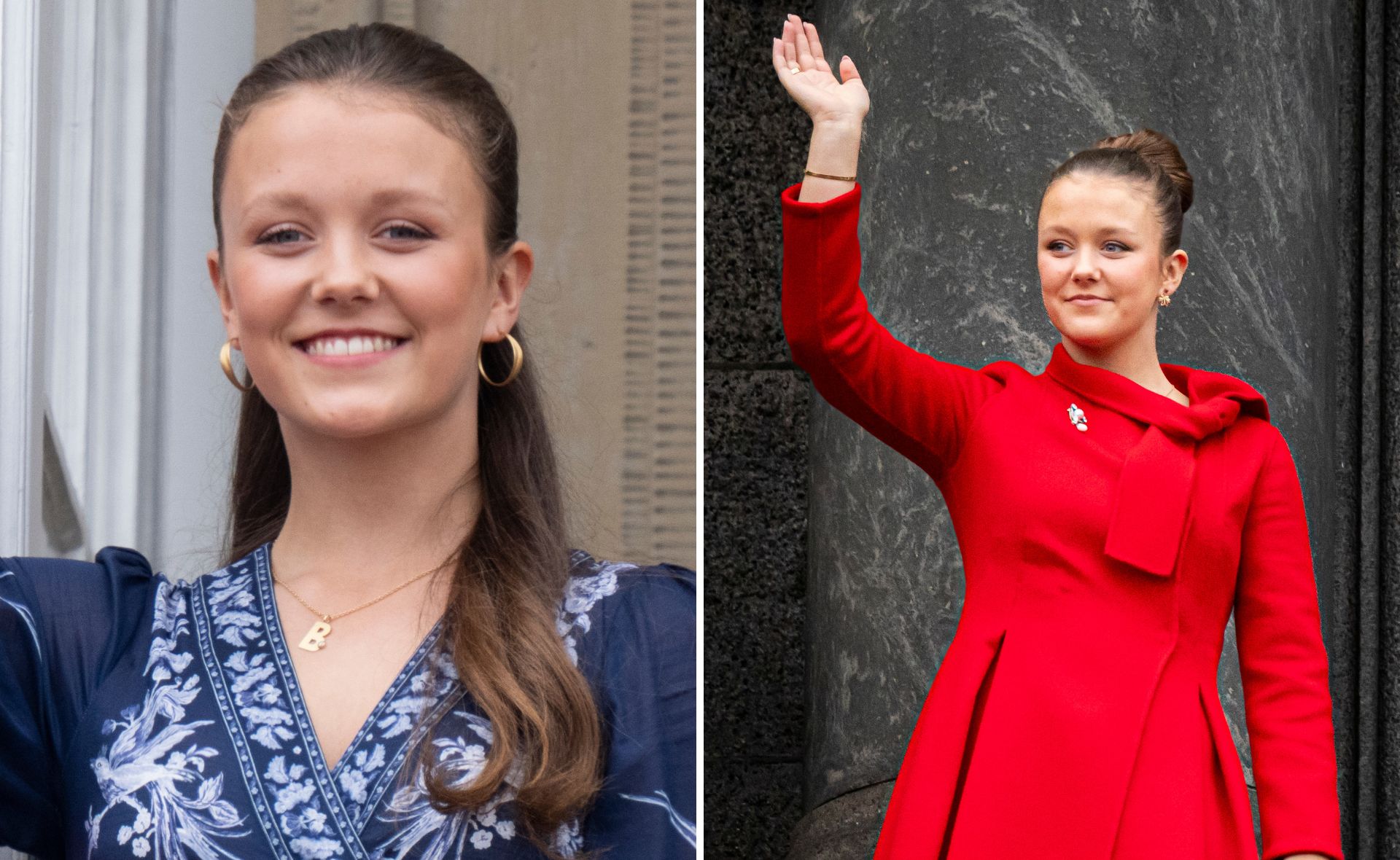
nightglow.info – Princess Isabella Henrietta Ingrid Margrethe of Denmark, born on April 21, 2007, is the second child and elder daughter of Crown Prince Frederik and Crown Princess Mary of Denmark. She is the fourth grandchild of Queen Margrethe II and the late Prince Henrik, and holds a significant position in the Danish royal family as the third in line of succession to the throne, following her father and older brother, Prince Christian.

Early Life and Family

Isabella was born at Rigshospitalet in Copenhagen and was christened on July 1, 2007, at the chapel of Fredensborg Palace. Her names, Isabella Henrietta Ingrid Margrethe, were announced at her christening, honoring various family members and historical figures23. She has three siblings: Prince Christian (born 2005), and twins Prince Vincent and Princess Josephine (born 2011).

Education and Public Life

Isabella began her education at Tranegårdskolen in Gentofte on August 13, 2013, and later attended Ingrid Jespersens Gymnasieskole in Copenhagen before moving to Øregård Gymnasium in Hellerup in 2023. She has accompanied her parents on several official engagements, including visits to Greenland and the Faroe Islands, showcasing her growing role in royal duties.

Titles and Honors

Isabella was initially titled Her Royal Highness Princess Isabella of Denmark and later became Her Royal Highness Princess Isabella of Denmark, Countess of Monpezat. She has received several honors and medals, including the 75th Birthday Medal of Henrik, Prince Consort, and the Ruby Jubilee Medal of Margrethe II.

Personal Life and Style

Isabella is known for her striking resemblance to her mother, Crown Princess Mary, and her father, Crown Prince Frederik. She has been seen wearing her mother’s recycled outfits on several occasions, including her confirmation in 2022. Despite her young age, she has already shown a flair for fashion, often opting for streetwear and chic outfits that reflect her youthful spirit.

Future Prospects

As the third in line of succession, Isabella’s future is closely tied to the Danish monarchy. With her parents ascending to the throne, she is poised to play a significant role in royal duties and engagements. Her emerging status as a style icon and her active participation in royal duties suggest a bright future in the public eye.

Princess Isabella of Denmark is not just a young royal but a symbol of the future of the Danish monarchy. Her life, marked by royal traditions and modern influences, promises to be a fascinating journey as she grows into her role within the royal family.